
When do people need a new lock installed?
Most installation calls come from a short list of situations. A new build or remodel leaves doors with no hardware at all, or with a basic builder-grade set that nobody wants to live with. Someone moves into a new home or office and wants hardware that matches the level of security they expect. A break-in, or an attempted one, leaves a door frame damaged and a household that no longer trusts what was on the door.
Other calls are quieter. A business changes how a space is used, and a door that used to be a storage closet is now a tenant entrance. A back door, side entry, or garage service door has never had a proper lock. A homeowner replaces a door and the new slab arrives bored for nothing, or bored for the wrong thing. A property manager standardizes hardware across a building.
In all of these, the question is the same: what lock belongs on this particular door, and how do we fit it so it works every day for years? That second part is where most of the craft lives, and it is what this page is about.
What is the difference between installing, replacing, and rekeying a lock?
These three jobs get mixed up constantly, and picking the right one can save you money and effort. Installation means putting a lock where there was none, or fitting a different type of lock than the door was built for. That can involve drilling, chiseling, and sometimes repairing wood or metal.
Replacement means taking out a lock that is worn, broken, or outdated and fitting a new one in the same prepared opening. It is usually simpler than a fresh installation because the door is already cut for that hardware. If that sounds like your situation, read about lock replacement.
Rekeying leaves the lock body on the door and changes the internal pin configuration so old keys stop working and new keys operate it. If your hardware is sound and you only need to cut off access for a former tenant, roommate, or contractor, rekeying is usually the more economical route. When you call, we will ask what the door has now and what is wrong with it, and we will tell you plainly if a different service fits better than a new installation.
How is a lock installed correctly, step by step?
A good installation is mostly preparation and measurement. The visible part, turning screws, is the short part. Here is how we approach a typical door.
- Look at the door before touching hardware. We check material (solid wood, hollow core, steel, aluminum, glass), thickness, condition, and how it hangs and closes. A lock cannot make up for a door that sags or rubs.
- Confirm what the door was prepared for. We check the bore hole for the lock body, the edge bore for the latch, and the backset, which is the distance from the door edge to the center of the lock. Common backsets differ, so we measure instead of assuming.
- Choose hardware that suits the door and the job. Grade, finish, handing for lever sets, bolt throw, and the keyway all matter, and we talk through the trade-offs with you before cutting anything.
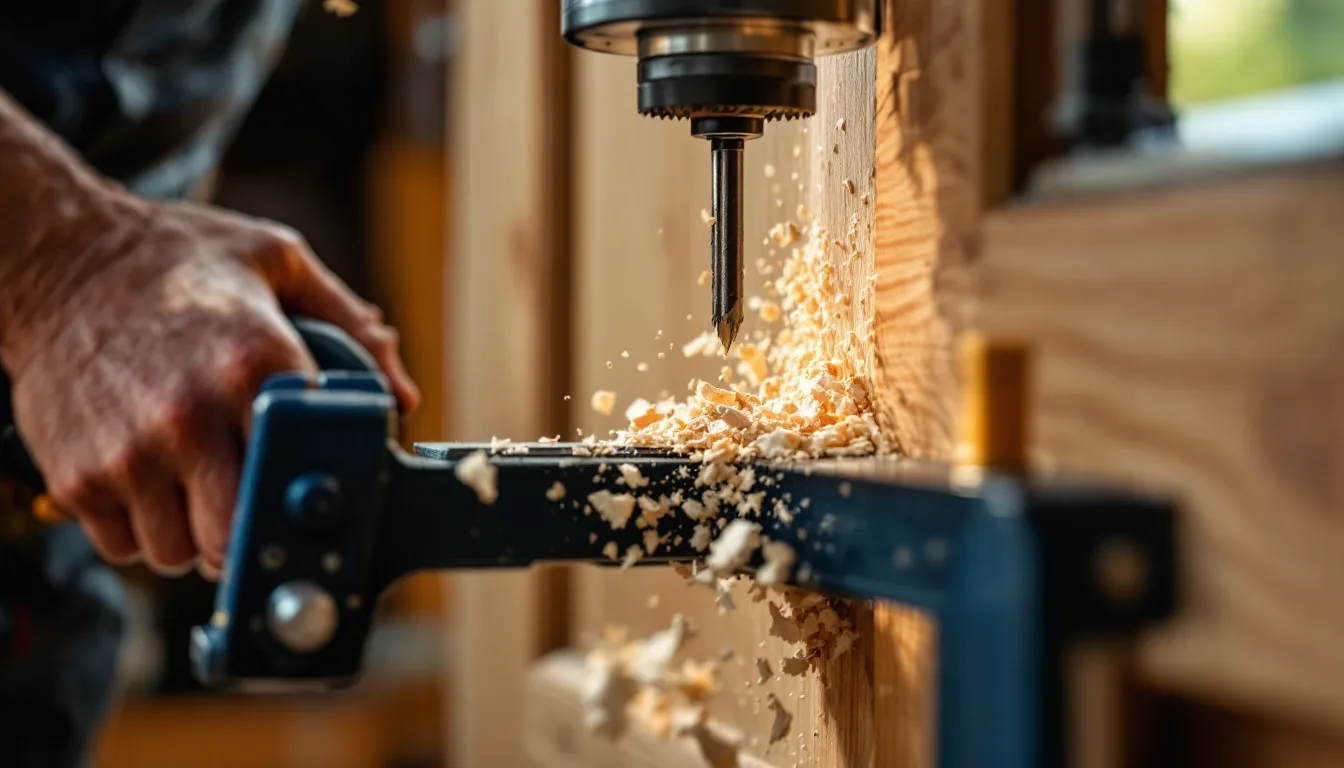
- Prepare the door. For a new opening we use a hole saw and boring jig so the cuts are square and centered, and chisel the latch mortise so the faceplate sits flush. Sloppy cuts cause binding and weak points.
- Install the latch, then the lock body, then the trim. Fasteners go through the door correctly aligned, and we avoid over-tightening, which is a common reason new locks bind.
- Prepare and reinforce the strike side. We set the strike plate to match the latch exactly and chisel it flush. For deadbolts and exterior doors, we use longer screws that reach the framing, not just the thin door jamb.
- Test it properly. We cycle the lock repeatedly with the door open, then closed, then under normal use, and confirm the bolt fully extends and retracts without force.
- Hand over the keys and explain how the lock works, including how to use any thumbturn, key control features, or electronic settings.
Locked out or need a locksmith now?
We answer around the clock, every day of the year.
Call (213) 577-1366What does a professional check that a quick swap misses?
A lock that turns smoothly in the shop can still fail on the door. The details below are what separate a lock that looks installed from one that is actually installed.
- Door alignment: if the latch does not meet the strike cleanly, the lock will stick in humid weather or after the door shifts. We fix the cause instead of loosening the hardware to compensate.
- Strike plate and frame strength: the strongest deadbolt in the world is only as secure as the screws holding the plate to the frame. Short screws in soft jamb wood are a common weak spot.
- Gaps and exposure: we look at how much of the latch or bolt is visible between door and frame, and whether the door can be pried or the latch pushed back.
- Cylinder protrusion: a cylinder that sticks out too far can be gripped and twisted. We choose trim and cylinder lengths so little is left exposed.
- Door edge condition: a cracked or over-bored door edge weakens everything around the lock. Sometimes a reinforcement plate is the right addition.
- Key operation: every key is tested, every lock cycled, and the door checked from both sides so nobody is locked out or in.
How does the type of hardware change the job?
The word lock covers very different mechanisms, and each one changes the work. Cylindrical knob and lever sets are the common type on residential interior and entry doors. They install into two bores, one through the face and one in the edge, and they are quick to fit when the door is already prepared.
Deadbolts add a solid steel bolt that extends into the frame. A deadbolt on its own does not make a door secure, but paired with a good strike and solid door it is a real step up. We cover that in more detail on our deadbolt installation page.
Mortise locks are a different animal. The lock body sits inside a deep pocket cut into the edge of the door, which means the door has to be prepared accurately. They are common in older buildings, storefronts, and some commercial and institutional doors, and they combine latch, deadbolt, and sometimes more in one body. Installing one means careful chiseling, correct fitting of the faceplate, and cylinder and trim that match the mortise body. Mortise lock installation is not a job to rush, and a retrofit into a door never cut for one requires skill and patience.
Lever handles are common on commercial doors and increasingly at homes where ease of use matters. The mechanism is often cylindrical or mortise, and the lever must be set so it does not sag over time. Multipoint locks, found on some modern doors, engage the frame at several spots and depend on precise door alignment. Glass and aluminum storefront doors use narrow-stile hardware and often need specialty parts, so we identify the door and its manufacturer before ordering anything.
Locked out or need a locksmith now?
We answer around the clock, every day of the year.
Call (213) 577-1366Residential and commercial lock installation: what is different?
Home installations usually come down to the front door, back door, side entry, and garage service door. People want a lock that feels solid, looks right, and works with family habits. Key convenience, finish matching, and how the door is used every day all weigh in. If you want a broader overview of what we do for homes, see our residential locksmith page.
Commercial installation tends to add questions that homes do not. Who needs which keys, and should access be tiered? Does the door need to meet code for egress, so people can always leave without a key or special knowledge? Is it a high-traffic door where hardware wears quickly and needs a heavier grade? Should keys be restricted so they cannot be copied casually? These choices affect which lock we recommend and how many doors you can run on one key system.
For multi-door properties, planning ahead matters. A mixed batch of random locks means a pocket full of keys. A coordinated system, even a simple one, makes life easier for owners, property managers, and staff. We are happy to talk through that before any work begins.
What about smart locks and electronic hardware?
Electronic locks still need a mechanical installation done well. A keypad or smart deadbolt fitted to a misaligned door will jam and drain batteries faster because the motor strains against the bolt. Before fitting anything electronic, we check that the door and strike work smoothly with a plain deadbolt.
The door's preparation, the backset, the thickness, and the available space for the interior assembly all affect which models will fit. Connectivity, power source, and how you want to give access to guests, cleaners, or staff change the choice too. We cover this more fully on our smart lock installation page. The short version: fit and function come first, and the electronics come second.
What can lock installation not fix?
Honest limits matter. Installing a new lock does not repair a rotted door frame, a cracked jamb, or a warped door. If the wood around the strike crumbles, a new lock will be just as loose as the old one, and we will say so. Sometimes the right call is carpentry or a new door, and we will tell you that rather than sell you hardware that cannot do its job.
A new lock also does not change who already holds keys to your old one. If your concern is a lost key or a former occupant, rekeying or replacing the cylinder is the faster, more targeted fix. It also does not make a flimsy hollow door secure. A strong lock on a weak door is mostly for show.
And if a lock is simply misbehaving, sticking, or hard to turn, it may need adjustment, cleaning, or a part, not a full installation. Our lock repair service exists for that, but I will leave the link out here in favor of the plain advice: describe the symptom when you call and we will point you to the right service, even when it is the smaller job.
Locked out or need a locksmith now?
We answer around the clock, every day of the year.
Call (213) 577-1366What affects the cost of lock installation?
We do not quote numbers on a web page, because honest pricing depends on the door in front of us. These are the factors that move the cost up or down:
- The hardware itself: grade, brand, finish, and whether it is a basic set, a high-security cylinder, a mortise body, or an electronic model.
- The condition of the door: a prepared opening is quick, while a new bore, mortise pocket, or repair to damaged wood adds work.
- How many locks: several doors in one visit are generally more efficient than separate trips.
- Reinforcement: strike plates, door edge guards, and longer screws change both materials and labor.
- Keying: matching existing keys, setting up a keyed-alike system, or using restricted keyways affects the job.
- Timing and location: after-hours calls and distance across a large coverage area can factor in.
Why call Wilshire Lock & Key for installation?
We have been in business since 1987, and the work has not changed in its basics: measure carefully, fit the hardware correctly, test it, and explain what you have. We operate from a storefront at 10740 Wilshire Blvd in Westwood and send out mobile service vans, so you are dealing with an actual local business with an address, not an anonymous call center.
When you call (213) 577-1366, the phone is answered 24 hours a day, 7 days a week, all year. The work is done by our own technicians, not passed through a dispatch middleman who takes a cut and sends whoever is free. David, the owner and lead technician, oversees how we do the work.
One more point worth knowing: California requires locksmith companies to hold a license from the Bureau of Security and Investigative Services, called an LCO license. Ask any locksmith you are considering for their license number before work begins. It is a fair question and a good habit.
Where do we install locks?
We serve 140 cities across Los Angeles and Ventura counties. Our full list is on the locations page, where you can find your area. If you want a city-specific view, we have pages for places like Los Angeles, Santa Monica, and Pasadena.
The craft is the same everywhere: look at the door, choose the right hardware, install it with care, and test it. Older buildings and newer ones, wood doors and metal ones, houses and storefronts all come down to those steps. Call (213) 577-1366 and tell us about the door, and we will tell you what we would do.
Frequently asked questions
Can you install a lock on a door that has never had one?
Yes. We measure and mark the door, bore the face and edge holes with the right tools, cut the latch faceplate flush, and set the strike in the frame. The door material and thickness decide the exact method, so we look at it first.
How do I know what type of lock my door needs?
It depends on the door material and thickness, existing holes, how the door is used, and the level of security you want. Describe the door when you call, or send us a photo of the edge and face, and we can usually narrow the choices before arriving.
Is a mortise lock harder to install than a standard lock?
Yes, noticeably. A mortise body sits in a deep pocket in the door edge, so accuracy in cutting matters more, and trim and cylinder have to match the body. It is slower, more exacting work than fitting a standard cylindrical set.
Do I need a deadbolt as well as a handle set?
On most exterior doors, a deadbolt is a worthwhile addition because it gives you a solid steel bolt into the frame. Some mortise and multipoint locks already include one. We will tell you what makes sense for your specific door.
Can you match the new lock to my existing key?
Often yes, depending on the brand and keyway. Keying new locks alike to existing ones saves carrying extra keys. Tell us what you have, and we will confirm whether it can be matched or whether a clean new set is the better path.
Will you install locks I bought myself?
We can usually fit hardware you supply, provided it suits the door. We will check the specs first, since the wrong backset or a poor-quality set can cause problems we would have to tell you about. Talk to us before buying if you are unsure.
What if my door frame is damaged?
We will tell you before installing. A lock needs solid wood or metal around the strike and latch to work properly. Depending on the damage, reinforcement may be enough, or the frame may need repair first.
Do you install locks outside of normal business hours?
Yes. Our phone is answered around the clock, every day of the year, at (213) 577-1366. Urgent situations like a damaged door after a break-in are the main reason for after-hours calls, and we will do our best to secure the door.
Lock Installation near you
Related services
Reviewed by David, Owner & Lead Technician, Wilshire Lock & Key — in the locksmith trade since 1987.
Last updated 2026-10-12.