
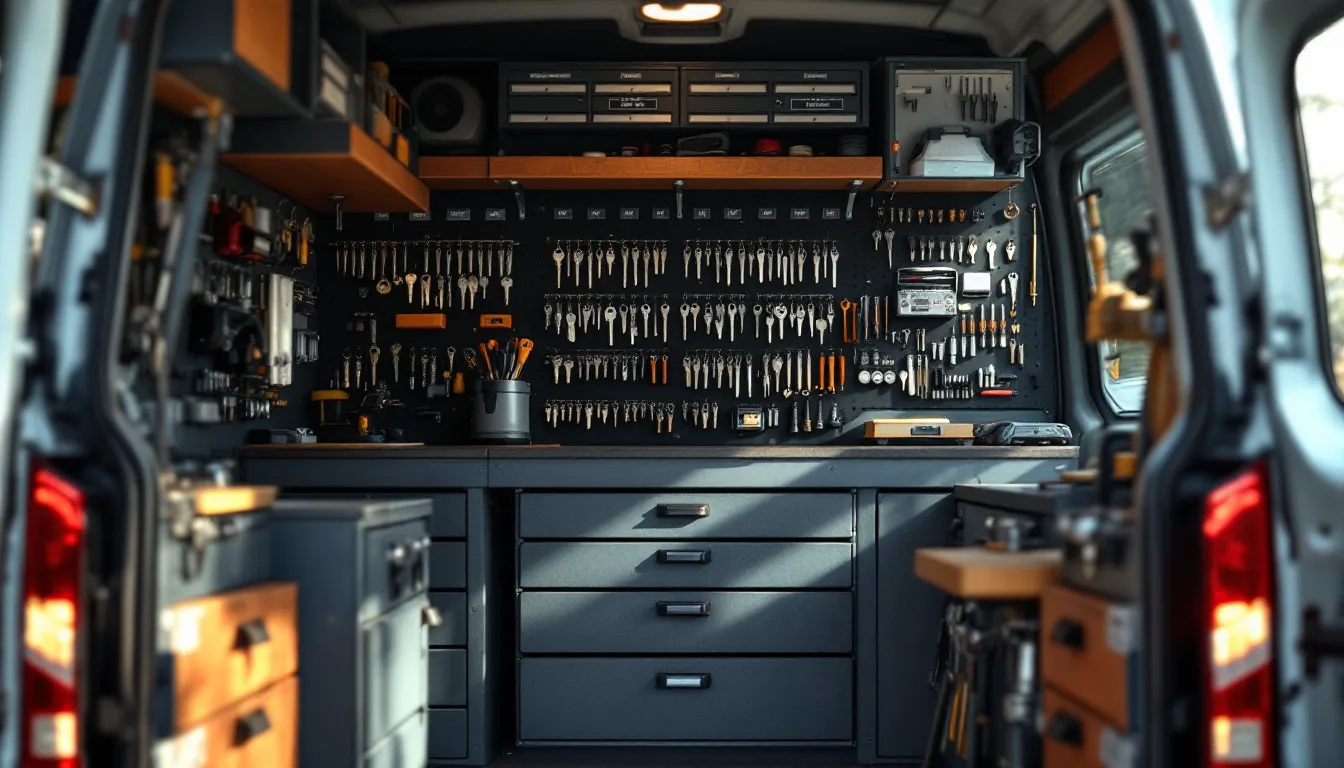
What does an automotive locksmith actually do?
An automotive locksmith handles everything that stands between you and a vehicle you own: locked doors, keys that no longer work, keys that were never copied, ignitions that won't turn, trunks that won't open, and fobs that have gone silent. It is a different trade from house work. A vehicle lock is tied into electronics, an immobilizer, and on newer models a set of control modules that all have to agree before the engine will start.
We have done this work since 1987, long enough to have lived through the shift from plain cut-metal keys to chipped keys and push-button start. The principle never changed. Get you into the vehicle without damage, get you a key that works, and tell you plainly what the job involves before we begin. This page explains how that work is done, what changes from one vehicle to the next, and where the limits are.
What situations lead people to call?
Most calls fall into a handful of situations. Knowing which one you are in helps us bring the right tools and the right key blanks in the van, so it is worth describing it clearly on the phone.
- Keys locked inside the vehicle, whether in a driveway, a parking structure, or at the curb. If a child or pet is inside, or the engine is running, say so right away because it changes how we prioritize the call.
- Every key lost. This is a different job from a lockout, because a new key has to be made without an original to copy from.
- One key left and no spare. Making a second key while you still have a working one is the easier, more economical way to solve the problem.
- A key that opens the doors but will not start the car. That usually points to the transponder chip or the immobilizer, not the metal cut.
- A fob with a dead battery, a cracked shell, or buttons that have stopped responding.
- A key broken off in a door lock or in the ignition.
- An ignition cylinder that is worn, sticky, or damaged, sometimes after an attempted theft.
- A work truck or van that is down, or a business that needs matching keys across several vehicles.
How do you open a locked car without damaging it?
The goal is to open the vehicle so that you can't tell afterward that anyone worked on it. The method depends on the vehicle, and a good technician picks it after looking at the car, not before.
- Confirm the vehicle is yours. We ask for photo ID and something that connects you to the vehicle, such as registration or paperwork. We do not open vehicles for people who can't show a connection to them.
- Look the vehicle over. Make, year, door design, window frame, alarm, and whether there are airbags or wiring running through the door all affect which method is safe.
- Choose the method. On many vehicles a protective wedge opens a small gap at the door frame and a long-reach tool operates the handle or lock control from inside. On others, picking or decoding the door lock itself is the cleaner route.
- Work slowly around the weatherstripping, paint and door wiring. Rushing is how scratches, bent frames and tripped alarms happen.
- Open the door and check the seal, the paint line and the lock operation to make sure everything sits as it did before.
- Test your key. If the lockout was caused by a failing key or lock rather than a simple mistake, we tell you so you can deal with the cause.
Locked out or need a locksmith now?
We answer around the clock, every day of the year.
Call (213) 577-1366How is a new car key made when there is no key to copy?
Making a key from nothing is where the craft shows. If every key is gone, our page on lost car key replacement covers that situation in more detail. The overall process looks like this.
- Verify ownership, the same way we do for a lockout. A new key opens and starts the vehicle, so we are careful about who gets one.
- Identify the vehicle by VIN. We confirm the key type and security system from the VIN rather than guessing from the model name, because the same model can change its key and immobilizer from one year to the next.
- Work out the cut. Depending on the vehicle, the key cut comes from a code, from decoding the door or ignition lock, or from another approved method for that make.
- Cut the blank on a key machine, then check it by hand in the door and ignition before any electronics are involved.
- Program the key. A diagnostic tool connects through the vehicle's port and registers the new key with the immobilizer. On many systems the lost keys can be removed from the vehicle's memory so they no longer start it.
- Test everything: door locks, trunk, ignition, remote buttons, and several starts, before we call it finished.
How do different vehicle types change the job?
Cars are only part of what we handle. Each kind of vehicle has its own quirks, and some come with a few real unknowns that we sort out by VIN or in person rather than promise something from memory.
- Cars and SUVs cover the widest range: plain metal keys, chipped keys, remote-head keys and smart keys with push-button start. The key type decides most of the work.
- Pickup trucks and vans often have more locks to think about, such as tailgate, toolbox or cap locks, and they commonly have several drivers sharing keys. Work vehicles also tend to be needed back on the road quickly, so we plan the call around that.
- Motorcycles have a small key but several locks: ignition, steering lock, and often a seat or fuel cap lock. Some use chipped keys. Which models do is something we confirm for the specific bike.
- RVs and motorhomes frequently have a cab door and ignition on one key system and the entry door and storage bays on others. We find out which lock is the problem before we pick tools.
- Fleets mean consistency: matched keys, spares, and a clear record of which key belongs to which vehicle. One company handling the whole set is easier than coordinating several.
Locked out or need a locksmith now?
We answer around the clock, every day of the year.
Call (213) 577-1366How do key types change the work?
The key in your hand tells us a lot about the job ahead. A basic metal key with no chip is the simplest case: cutting and testing. It is still worth doing carefully, since a poorly cut copy wears the ignition faster.
A transponder key has a small chip inside the head that talks to the vehicle. The metal blade turns the lock, but the engine will not run unless the chip is recognized. Cutting alone is not enough, and our page on transponder key programming explains how that registration works and when it can be done on site.
Remote-head keys combine the blade, the chip and the lock and unlock buttons in one piece, so a replacement involves both programming the chip and pairing the remote. Smart or proximity keys, where you push a button to start the car, are a different system again. If your fob is the problem, whether it is a battery, a shell or a failed board, see our notes on key fob replacement.
Not every vehicle supports every shortcut. Some makes and years can only be programmed with specific data or equipment, and a few cases are dealer-only. When we reach one, we say so on the phone rather than after you have waited for us.
What about ignition and lock hardware problems?
Sometimes the key is fine and the hardware is the problem. Ignition cylinders wear out over years of use, especially with heavy key rings or a bent or worn key. A key that sticks, turns only with wiggling, or won't come out of the ignition usually points to worn wafers or a damaged cylinder, not a bad key.
Before we replace anything we check the key against a known-good cut, test the steering lock and look for debris in the cylinder. Where the cylinder is worn or damaged, we repair or replace it and cut the key to match. Our page on ignition repair goes into the options. A key snapped off in a door or ignition is handled by extracting the broken piece first, since forcing a new key in only pushes it deeper.
Door and trunk lock problems follow the same logic. We separate a failing lock from a failing actuator, linkage or battery, because only the first is a locksmith repair.
What can't an automotive locksmith fix?
We would rather tell you what we can't do than take a call that will not solve your problem. A locksmith deals with locks, keys and the security link between them. We do not fix engines, starters, fuel systems, dead batteries or failed control modules, and a vehicle that will not start with a perfectly good key may need a mechanic or a tow instead of us.
Some vehicles also have dealer-only procedures. In certain cases the security data or equipment needed to authorize a new key is available only through the manufacturer. Where that applies, we will say so plainly and tell you what your options are. We confirm by VIN or in person, because model name alone is not reliable.
We also will not make or program keys for a vehicle when no one can show ownership or a legitimate right to access it. That can slow a call down, but it is the same rule that protects your car.
Locked out or need a locksmith now?
We answer around the clock, every day of the year.
Call (213) 577-1366What affects the price of automotive locksmith work?
We do not quote numbers on a web page because the real cost depends on the vehicle in front of us. Here is what moves it up or down, so you can judge any quote you get, ours or anyone else's.
- The job type. Opening a door, cutting a key, programming a chip and repairing an ignition each involve different time, tools and parts.
- The key itself. A plain metal key, a transponder key, a remote-head key and a smart key are different parts with different costs and different programming needs.
- Whether you have a working key. Making a copy from an existing key is usually the more economical route. Starting from zero takes more steps.
- The vehicle's make, model and year, since security systems vary and some need specialized equipment or data.
- Where and when we come to you. Travel distance and after-hours calls both factor in, which is why we explain them on the phone first.
- Parts: a new cylinder, fob shell or battery is separate from the labor to fit it.
Why call Wilshire Lock & Key?
We have been in business since 1987, with a storefront at 10740 Wilshire Blvd in Westwood and mobile vans on the road. When you call (213) 577-1366, the line is answered 24 hours a day, 7 days a week, year-round. The call goes to our company, not to a national dispatch center that sells the job to whoever is available. The person who takes it and the technician who arrives work for the same shop.
David, the owner and lead technician, oversees the work. That means the standards for how we open doors, cut keys and program chips do not change depending on who shows up.
One more thing worth knowing: California requires locksmith companies to hold a BSIS LCO license, and you should ask any locksmith for that license number before work begins. It is a fair question to put to anyone who comes to your car, and you should not hesitate to ask it. If you want to compare approaches before calling, our pricing page explains how we think about quotes.
Where do we work?
Our mobile vans cover 140 cities across Los Angeles and Ventura counties, and our Westwood storefront is open for walk-in key work. You can see the full list of cities on our locations page. Whether you are stuck in a parking lot or need spare keys cut for a fleet, we aim to bring the work to where the vehicle is.
If you want details for a particular area, we have city versions of this service, including Los Angeles and Pasadena. This page is the full picture of the craft. The city pages cover what is specific to each place.
When you call, have the vehicle's make, model, year, where it is parked, and which of the situations above you are in. If you can read us the VIN from the dashboard or door jamb, that speeds up identifying the key. We will tell you what the job involves and what can affect the cost before we start.
Frequently asked questions
Can you make a key if I have lost every key to my vehicle?
In most cases yes. We verify ownership, identify the key type by VIN, cut the key and program it to the vehicle. Some vehicles require manufacturer-only data or a dealer procedure. If yours is one of them, we will tell you plainly and explain your options.
Will opening my locked car cause damage?
The aim is no damage at all. We use protective wedges and long-reach tools or lock-specific methods and take care around paint, weatherstripping and door wiring. Different vehicles carry different risks, and we will tell you if yours needs extra caution.
Do I have to go to the dealer for a new car key?
Often not. Many keys can be cut and programmed by a locksmith at your vehicle. Some makes and years do require the dealer for certain security procedures. We confirm that by VIN or in person instead of guessing from the model name.
What do you need from me to prove the vehicle is mine?
Photo ID and something connecting you to the vehicle, such as registration or other ownership paperwork. If you cannot show a connection, we will not open or key the vehicle. It protects you as much as anyone.
Do you work on motorcycles and RVs, not just cars?
Yes. Motorcycles and RVs have lock layouts different from cars, so tell us the make, model and year when you call. We confirm key and programming details for the specific vehicle before promising anything.
Can you handle keys for a business fleet?
Yes. We can cut and program matched keys across several vehicles, add spares, and help you keep track of which key goes with which vehicle. Call to talk through the size and mix of the fleet.
I bought a used car with only one key. What should I do?
Make a spare now, while the working key still exists. Copying from a working key is generally the more economical route than starting from nothing. It is also worth having us check that the previous owner's keys have been removed from the vehicle's memory where the system allows it.
Do you come to me, or do I bring the vehicle in?
Both work. Our mobile vans come to the vehicle across both counties, which makes sense for lockouts and lost keys. For planned work such as a spare key, you can also visit our storefront at 10740 Wilshire Blvd in Westwood.
Why is a transponder key more involved than a plain metal key?
A transponder key carries a chip that the vehicle must recognize before the engine will run. Cutting the metal blade only opens the door and turns the ignition. The chip must also be registered with the vehicle, which takes diagnostic equipment and the right procedure for that make and year.
Automotive Locksmith near you
Related services
Reviewed by David, Owner & Lead Technician, Wilshire Lock & Key — in the locksmith trade since 1987.
Last updated 2026-10-12.