
What does a lock installation in Culver City actually involve?
Lock installation means fitting a lock where there isn't one yet, or fitting a new lock into a door that has been prepared for it. That sounds simple, and sometimes it is. But a lock only protects a door if it is the right lock, set into correctly sized holes, and lined up with a strike plate sitting exactly where the bolt lands. Most of the trouble we see with new hardware isn't a bad lock. It's a good lock fitted carelessly.
People in Culver City call us about installation in a handful of situations: a new front door going in, an entry that has only ever had a knob latch, a garage side door with nothing on it, a storefront or office door that needs proper hardware, or a newly bought or rented place where nobody can say who holds keys. In each case the work starts with the door itself, not the box the lock came in.
This page is about installing new locks. If you have a lock that is worn out, damaged, or compromised, the answer may be a different service, and we explain how to tell the difference further down.
Which type of lock fits which door?
The list of lock types sounds long, but choosing comes down to two questions: how is the door built, and what does it need to resist or allow? Here is how we think through the common categories.
- Front door lock installation: usually a keyed deadbolt paired with a knob, lever, or handleset. Most residential doors are bored with a large hole through the face and a smaller one into the edge, and the backset (the distance from the door edge to the center of the large hole) decides which hardware fits without new drilling.
- Lever lock installation: lever handles are easier to operate than knobs, which is why they are popular for accessibility and on commercial doors. A lever on its own is a latch, not a deadbolt, so on an exterior door we either add a deadbolt or use a lever lockset with its own keyed cylinder.
- Mortise lock installation: a mortise lock lives in a rectangular pocket cut into the door's edge instead of simple round holes. You find them on older commercial doors, some older residential entries, and heavier doors. Cutting that pocket accurately matters, because a pocket cut for the wrong body can't be undone on a wood door.
- Security lock installation: higher-grade deadbolts, pick-resistant cylinders, reinforced strike plates, and long screws that reach the framing instead of just the door jamb. The lock matters, but so does what it is anchored to.
- Commercial lock installation: heavier-duty hardware built for constant use, often combined with closers, exit devices, or access systems. Some commercial and fire-rated doors have limits on what can be cut into them, so we check the door before we touch it.
Locked out or need a locksmith now?
We answer around the clock, every day of the year.
Call (213) 577-1366How we install a new lock, step by step
Every door is a little different, but our process is consistent. It's the same sequence whether we're at a house, a condo, or a shop.
- You call (213) 577-1366 and describe the door: material, whether it has existing holes, what it opens onto, and what you want it to do. Photos help if you can text them, but they aren't required.
- We confirm the plan before arriving: lock type, grade, and whether your door needs modification or can take the hardware as it stands.
- On site, we inspect the door and frame. We check thickness, existing bore sizes, backset, edge condition, and whether the jamb and strike area are solid enough to hold a new lock under force.
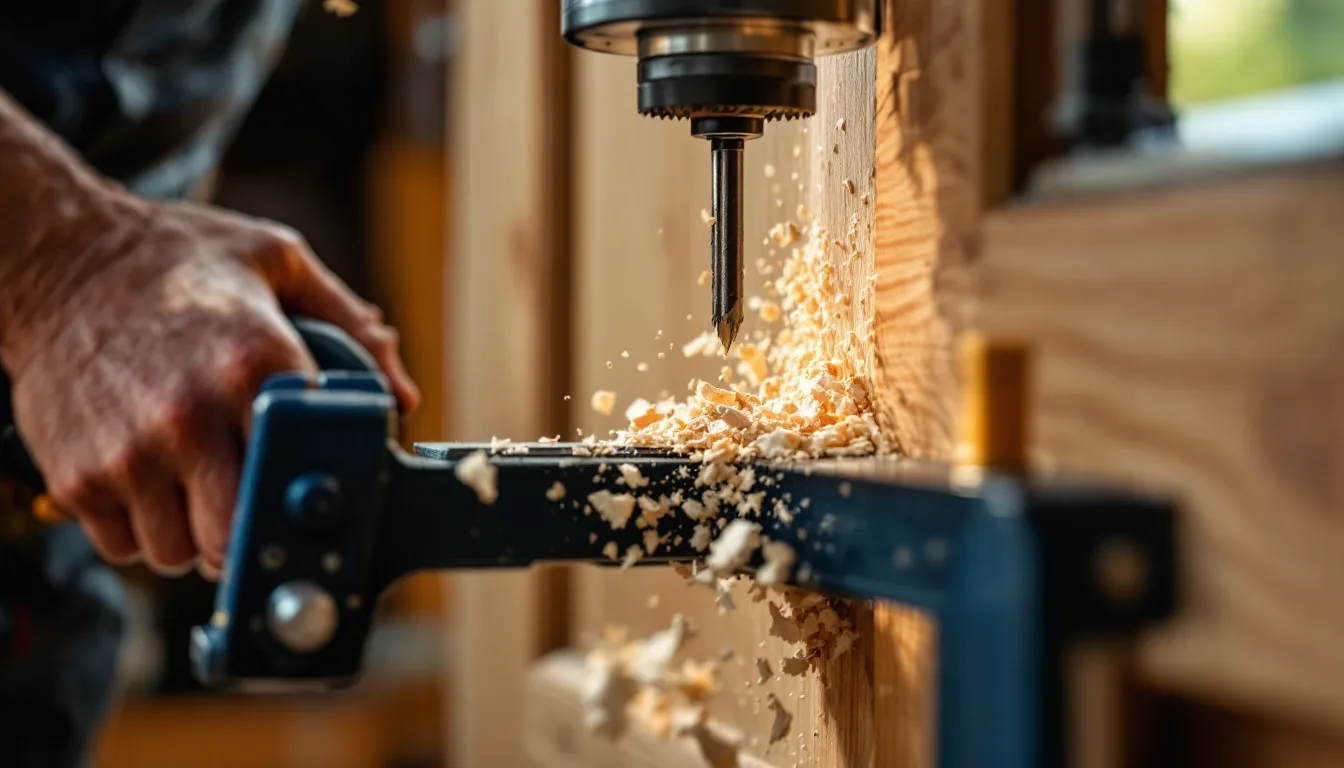
- We prepare the door. That might mean nothing, if the holes already match, or it might mean carefully enlarging a bore, cutting a latch mortise, or reinforcing the edge. We use proper drilling jigs, not freehand work.
- We fit the lock body, cylinder, and trim, then install the strike plate and secure it into the framing with screws long enough to matter.
- We test the lock repeatedly with the door open and closed, check that the bolt throws fully without binding, and adjust the strike or latch until the door shuts cleanly.
- We hand over keys, explain how the lock works, and tell you plainly if anything else on that door is worth attention, like a loose hinge or a warped frame.
What affects the cost of a new lock installation?
We don't quote numbers on a web page, because a fair price depends on the door and the hardware, and anything quoted blind is a guess. What we can do is show you exactly what moves the cost, so a quote from us or anyone else makes sense.
- The lock itself: a basic knob latch, a standard deadbolt, a high-security cylinder, a mortise body, and a commercial-grade lever set sit at very different levels of materials and build quality.
- Door preparation: a door with correct holes already in place is quick work. A door that needs new bores, a mortise pocket, or edge repair takes more time and skill.
- Door material and condition: solid wood, hollow metal, fiberglass, and aluminum storefront doors each call for different tools and care.
- Number of doors and whether they are keyed alike: fitting several locks on one key is more planning, but it saves you carrying a ring of keys.
- Frame and strike reinforcement: if the frame is soft or split, strengthening it is part of doing the job properly.
- When and where the work happens: a planned daytime visit differs from an after-hours call, and travel across a wide service area plays a part.
- Extras: smart or electronic features, access hardware, or rekeying other locks on the property at the same visit.
Locked out or need a locksmith now?
We answer around the clock, every day of the year.
Call (213) 577-1366Residential and commercial installs: what's different?
Residential lock installation usually centers on balancing security with everyday convenience. Families want a front door that is solid, keys that are not a hassle, and a back or garage door that isn't the weak point. We set up entries with a deadbolt and a latch that work well together, and we make sure interior privacy locks aren't being asked to do a job they weren't built for.
Commercial lock installation is more about durability, code, and control. A door that opens hundreds of times a day wears out cheap hardware quickly, and a business has to think about who holds keys, how staff turnover is handled, and whether the door must allow quick exit. We often pair new locks with the right commercial door hardware so closers, strikes, and handles all work together instead of fighting each other.
Landlords and property managers sit between the two. Multiple units, key control, and turnover between tenants call for a plan, not just one-off fits. We're glad to talk that through when you call.
What does lock installation look like across Culver City?
Culver City's housing is varied, so the installations vary too. Much of the city is 1940s–1950s single-family tracts, including Sunkist Park and Carlson Park. Postwar homes like these frequently keep their original garage side doors and mid-century locksets. When we install a new lock on a door that old, we look at the wood, the hinge screws, and the strike area first. If a door has been repainted many times or has shifted over decades, we may need to re-cut the latch area for the new hardware to sit square. A side door that has only ever had a simple knob is a common candidate for adding a proper deadbolt.
Up in the hills, in Culver Crest and Blair Hills, homes often have entry doors that are heavier or more custom, and the front door is as much a design element as a barrier. We fit security hardware that matches the look of the door, and we take care not to damage finishes while preparing the edge.
Fox Hills carries most of the city's condominium and larger apartment complexes. Installs there usually involve association rules about hardware, finishes, and who has to be told about key changes, so it's worth checking with your HOA or management before we start. Newer mixed-use apartment buildings have gone up around Downtown Culver City and Ivy Station, and residents there often ask for smart lock installation on doors that are already prepared for it. We fit those with the same attention to door alignment, because a smart lock on a door that rubs the frame will still fail.
Business owners near the Sony Pictures and Culver Studios lots, or in the Downtown Culver City dining district, usually need installations that stand up to heavy daily use, with keying that works for staff turnover. We handle storefront doors, office entries, and interior production-space doors with proper commercial hardware.
On the practical side, Culver City gets regular morning marine layer but little direct salt exposure, so hardware here isn't punished the way it is right at the coast. Damp mornings can make older wood doors stick seasonally, and a door that swells slightly in spring can make a new bolt bind. We account for that when setting the strike plate, leaving the bolt enough room to move without sloppiness.
We serve both Culver City ZIP codes, 90230 and 90232, and the city is about seven miles from our Westwood storefront at 10740 Wilshire Blvd. Our mobile vans bring tools and a range of hardware to you.
Locked out or need a locksmith now?
We answer around the clock, every day of the year.
Call (213) 577-1366Is installation what you need, or is it replacement, rekeying, or repair?
Plenty of people say install when they mean something else. Sorting this out saves time and money, so here is how we draw the lines.
- If the door has no lock or deadbolt and you want one added, that is new installation, and a dedicated deadbolt is covered on our deadbolt installation page.
- If a lock already exists and is damaged, outdated, or you simply want a different model, that is lock replacement.
- If the lock is fine but you don't know who has keys, such as after moving in, rekeying changes the internal pins so old keys stop working. See lock rekey for details.
- If the lock sticks, spins, or has a loose handle, repair may be the more economical route, and our lock repair page explains what we look at.
Why call Wilshire Lock & Key for your installation?
We've been in business since 1987, which means we've seen decades of doors, frames, and hardware, including plenty of the older postwar sets that turn up around Culver City. Experience shows up in small things, like knowing when a door needs a different approach before a drill touches it.
We have a real storefront at 10740 Wilshire Blvd in Westwood, plus mobile service vans. When you call (213) 577-1366, you reach us, 24 hours a day, 7 days a week, year-round, and the company that answers is the company that sends the technician. There is no dispatch middleman reselling your job to whoever is free.
David, the owner and lead technician, oversees the work. If a door is tricky or a customer wants a second opinion on hardware, that conversation happens with someone who has his name on the business.
We also tell you when you don't need something. If a door is sound and the lock is decent, we'd rather say so than sell an installation that doesn't help you.
How to choose any locksmith, and what to have ready when you call
California requires locksmith companies to hold a BSIS LCO license, issued through the Bureau of Security and Investigative Services. Ask any locksmith you're considering for their license number, and check it yourself. That's a fair request, and a reputable company won't mind it. Also ask whether the person at your door works for the company you called, and whether the quote covers the full job or just the arrival.
To make your call efficient, have a few details ready: which door or doors, the material (wood, metal, glass, aluminum), whether there are already holes or an old lock, and what you want the lock to do. If you can, note the door thickness and any association or landlord rules. For mobile service in Culver City and beyond, our mobile locksmith team can arrive with a range of lock types so we aren't limited to one choice on site.
If the lock you want has a particular security rating or finish in mind, mention it. We'd rather match your expectations before the work begins than after.
Frequently asked questions
What's the difference between installing a lock and replacing one?
Installation means putting a lock where there is none, or adding a new type of lock the door wasn't set up for. Replacement means taking out an existing lock and putting a new one in the same spot. Replacement is usually simpler because the holes already exist, while installation may need door preparation first.
Can you install a lock on any door?
Most doors, yes, but the door has to be sound enough to hold the hardware. Solid wood, metal, and fiberglass are generally fine. Thin hollow doors, badly cracked wood, or fire-rated doors with restrictions on modification may need a different approach, and we'll tell you honestly what is possible after looking at it.
Do I need a deadbolt in addition to a doorknob lock?
For an exterior door, a deadbolt is strongly recommended. A knob or lever latch keeps a door closed but offers limited resistance. A deadbolt throws a solid steel bolt into the frame, which is what actually resists forced entry, provided the strike and screws are installed properly.
Can you install a mortise lock on my older door?
Often, yes. A mortise lock needs a rectangular pocket cut into the door's edge, and the door must be thick and sound enough to take it. On older doors we check for wood condition and prior modifications before cutting. If a door has already been routed for a different lock body, we explain the options.
How long does a lock installation take?
It depends on the door. A door with matching holes can be quick, while a door that needs new bores, a mortise pocket, or frame reinforcement takes longer. Several doors on one visit add time as well. We'll give you a realistic idea when we talk through the job, rather than promising a number.
Can you install locks at my business or office in Culver City?
Yes. We handle commercial lock installation on storefronts, offices, and interior doors, including lever sets and heavier-duty hardware. If you need keying for multiple staff or a particular key-control setup, tell us when you call so we can plan the hardware around it.
Do you install smart locks?
Yes, and we pay close attention to door alignment, since a smart lock that binds against the frame will not work reliably. If you're in a newer building, check with your management about which models are allowed. We can talk through options when you call (213) 577-1366.
Do I need to be home during the installation?
Someone authorized to approve the work should be present, at least at the start and end. We walk you through the lock, test it with you, and hand over keys directly. For commercial doors, a manager or owner can do the same.
Do you work after hours or on weekends in Culver City?
Yes. Our phone line is answered 24 hours a day, 7 days a week, all year, at (213) 577-1366. If a door needs securing urgently, say so on the call, and we'll arrange the earliest practical visit.
More locksmith help in Culver City
Lock Installation near Culver City
Reviewed by David, Owner & Lead Technician, Wilshire Lock & Key — in the locksmith trade since 1987.
Last updated 2026-10-11.