
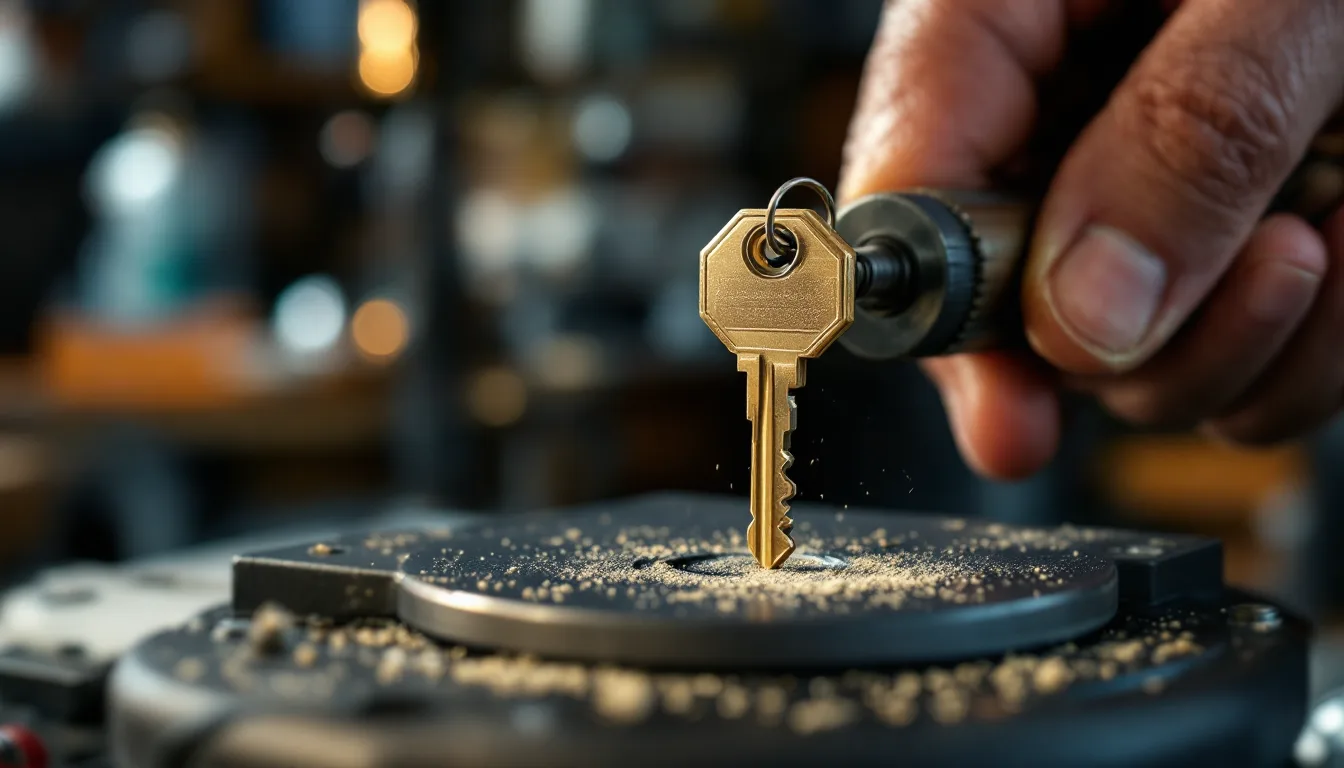
Why do Santa Monica keys get copied so often?
Most of the keys we cut in Santa Monica come from a handful of ordinary situations. A new roommate moves in and needs their own key. A parent wants a spare house key so nobody is stuck on the front step. A small office adds a part-time employee. A mailbox key goes missing and the one remaining key suddenly feels very important. None of these is an emergency, and that is exactly why they are worth handling early. A copy cut now, from a key that still works, is far easier than sorting out a lockout later.
Santa Monica is a renter's city. Most residents rent, and many buildings fall under the city's rent-control rules, which means tenants tend to stay in the same unit for years. Over that time, keys get handed to family, to a dog walker, to a cleaner, and each of those people often has a copy made at whatever counter is closest. Copies of copies drift. Each generation can be a little off from the original cuts, until the key sticks, turns only with a jiggle, or stops working in the lock it was meant for.
This page is about duplicating keys: house keys, apartment keys, deadbolt keys, office keys, mailbox keys, and the more controlled high security and restricted types. When your situation is really about something else, such as a lost key with no spare, we point you to the right service instead of stretching this one.
How do we duplicate a key, step by step?
Key copying looks simple from the customer side of the counter, and it should. But a good copy depends on a few decisions made before the machine ever turns on. Here is how we work, whether you are standing in our Westwood storefront or we are at your door.
The steps below are the same for a basic house key and for a more specialized one. The difference is how much care each step takes.
- Identify the key. We look at the keyway, the brand stamping, and the key's shape to tell whether it is a standard key, a high security key, or a restricted one.
- Inspect the original. If the key is badly worn or bent, we tell you plainly. Cutting from a worn key produces a worn copy, so sometimes a better source key or a different approach is the smarter move.
- Match the blank. The blank has to fit the keyway properly, not just look close. A near match can cut cleanly and still bind in the lock.
- Cut to the original's spacing and depth. We set the machine to the original key, not to a guess, so the copy lifts the pins to the same heights.
- Clean up the cut. We remove burrs and metal shavings so nothing gets carried into your lock.
- Test it. Where we can, we run the new key in the actual lock and compare it to the original. If it feels stiff or rough, we adjust or recut it before you leave with it.
Locked out or need a locksmith now?
We answer around the clock, every day of the year.
Call (213) 577-1366Which keys can we copy, and which need extra steps?
Not every key is a ten-second job, and we would rather say so up front. Here is how the common types break down. If you are not sure what you are holding, bring it in or describe it when you call (213) 577-1366 and we will help identify it.
Some keys are controlled on purpose. Restricted keyways and many high security systems exist so that copies cannot be made casually. If your building or business uses one, you will usually need to be the authorized account holder or have their written permission. That can feel like a hassle, but it is the system working as designed. If you are weighing a move to a more controlled system, our page on high security locks in Santa Monica explains what that involves.
- Standard house, apartment, and deadbolt keys: the most common job. This covers any duplicate deadbolt key as well as the front-door key.
- Mailbox keys: usually small and often stamped with a number. Some belong to a building-wide system, so we like to see the key and, when needed, the mailbox itself before promising anything. If the lock is the problem rather than the key, see mailbox lock replacement.
- Office and commercial keys: cut the same way as house keys, but they may belong to a larger system. If your office uses one, our master key system page explains how keys at different levels relate.
- High security keys (sidebar, dimple, and similar designs): these need the correct blank and specialized cutting equipment, and some require authorization before we can copy them.
- Restricted keys: we copy these only with proper authorization from the registered owner. We will ask for it, and we will not skip that step.
- Keys stamped "Do Not Duplicate": the stamp alone does not stop a machine, but we take it seriously and ask who is authorized before cutting.
- Car keys with chips or remotes: these are a different job. Whether a copy can be cut or programmed depends on the make, model, and year, and some cases are dealer-only. We confirm by VIN or in person rather than guessing.
What affects the cost of key duplication?
We do not publish numbers on a page like this, because the honest answer depends on the key in your hand. What we can do is tell you what moves the cost up or down, so nothing about the quote feels like a surprise.
Ask what is driving the cost before we start. A straightforward answer is part of the job, and we are glad to give it.
- Key type: a standard brass house key is the lighter-cost end of the range. High security and restricted keys involve harder-to-source blanks and more specialized cutting.
- Blank availability: common keyways are easy to stock. Uncommon or proprietary blanks may need to be sourced.
- Quantity: cutting several copies of the same key in one visit is usually the more economical route than coming back repeatedly.
- Where the work happens: coming to our storefront is usually the lighter-cost option. A mobile visit adds the cost of bringing the equipment to you.
- Time of day: our line is open around the clock, and after-hours visits are priced differently than a daytime stop.
- Condition of the original: a worn or damaged key can mean extra work or a different approach.
- Authorization: restricted systems involve paperwork and verification that plain keys do not.
Locked out or need a locksmith now?
We answer around the clock, every day of the year.
Call (213) 577-1366What does key duplication look like around Santa Monica?
Santa Monica's ZIP codes run from 90401 through 90405, and the keys we are asked to copy vary a lot from one pocket of the city to the next. Here is how the local housing and business mix shapes the work.
In Wilshire-Montana (Wilmont) and Mid-City, much of the housing is mid-century apartment buildings, many under rent control. Tenants there often have keys that have been copied several times over the years, and an apartment key that no longer turns cleanly is a common reason for a call. We would much rather cut a fresh copy from a good key than see someone end up locked out, which is a different service covered under apartment lockouts.
In Sunset Park and Ocean Park, 1920s to 1940s bungalows and Spanish-style homes are common. Older houses often have more than one lock: the front door, a deadbolt, a garage door, and a side gate, each on its own key. A single household can carry four or five different keys, and a spare set is worth having made while every one of them still works.
North of Montana, larger Craftsman and traditional homes tend to have several exterior doors and family members who each need a set. Along the Ocean Avenue and Wilshire corridors, condominium buildings often combine a unit key with building access keys, and some of those are controlled, so we sort out authorization first.
For businesses, Third Street Promenade and Main Street storefronts regularly need extra keys for opening and closing staff. In the Bergamot Station and Water Garden office area, offices add and lose employees often enough that key control matters. For a small team, duplicate keys may be all you need. For larger or fast-changing teams, we usually raise the question of whether rekeying or a key system would suit you better. Downtown Santa Monica, Pico District, and Northeast Neighbors all have their own mix of rentals, owner-occupied homes, and small businesses, and we copy keys for all of them.
Does salt air wear out keys and locks near the beach?
Yes, and it is a routine maintenance issue, not an emergency. Santa Monica has a true coastal microclimate. The persistent marine layer and salt air corrode exterior locks, hinges, and gate hardware faster than they do inland. In damp months, wood doors near the beach can swell. Older wood doors and original hardware are common in beach-adjacent buildings, so the two problems often show up together.
How does that affect key duplication? A key dragging through a gritty, corroded lock wears faster, and a worn key makes a worn copy. If your key has started to feel rough, the best time to copy it is before it gets worse, and from the best key you have. If the lock itself is the problem, a new key will not fix it, and you may be better served by lock repair.
It is also worth checking the door before blaming the key. A swollen door can bind the bolt so the key seems stiff when the key is fine. If a new copy feels just as rough as the old one, that is usually a sign that the lock or the door is the issue, and we will say so rather than cut you more copies.
Locked out or need a locksmith now?
We answer around the clock, every day of the year.
Call (213) 577-1366Should you come to us, or should we come to you?
We run a storefront at 10740 Wilshire Blvd in Westwood, about 5 miles from Santa Monica, and we also run mobile service vans. For many people, the lighter-cost option is dropping a key by the shop. For others, such as a business that cannot leave the counter or a tenant with several doors to cover, a visit makes more sense.
Mobile key duplication works well for standard house, apartment, office, and mailbox keys. We are straightforward about the limits. Some specialty blanks or controlled keys are better cut at the shop, and if that is the case we will tell you when you call rather than send a van that cannot finish the job. You can read more about how that service works on our mobile locksmith page.
Property managers and owners with several units often need multiple sets cut and labeled. If that is you, our locksmith for landlords page covers how we handle that kind of work. Our phone line, (213) 577-1366, is answered 24 hours a day, 7 days a week, year-round, so you can ask questions at any hour.
When is copying a key not the right answer?
A duplicate only solves one problem: you need another working key. It does not change who else has one. If you have just moved into a rental, bought a home, ended a roommate arrangement, or lost a key somewhere you cannot trace, a new copy leaves every old key still in circulation. In those cases, rekeying your locks is the step that actually changes who can get in, and it is often more useful than another copy.
A copy also cannot help if you have no working key at all. We cannot cut from a key that does not exist, and that is a lockout situation, not a duplication job. If you are standing outside right now, call us and we will handle it from there.
If you only want a spare, though, copying is exactly the right tool. It is simple, it is quick, and it is much less stressful than waiting for the day you need it.
Why call Wilshire Lock & Key for duplicate keys?
We have been in business since 1987, and we serve 140 cities across Los Angeles and Ventura counties, Santa Monica among them. David, the owner and lead technician, oversees the work. We are one company with a storefront and our own mobile vans, so your call is not passed to a dispatch middleman who sends whoever is available.
California requires locksmith companies to hold a BSIS LCO license. When you hire any locksmith, ask for their license number and check it. That is a reasonable request, and you should make it of every company you consider, including us.
Beyond that, the useful differences are small and practical: we tell you if a key is too worn to copy well, we say when a key needs authorization, and we do not recommend extra work that does not fit your situation. To arrange key copying in Santa Monica, call (213) 577-1366 or use our contact page.
Frequently asked questions
Can you copy a key marked "Do Not Duplicate" in Santa Monica?
Sometimes, depending on the key and who is asking. The stamp is a request, not a physical barrier, but we take it seriously. We ask who is authorized to make copies, and for building or business systems we may ask for permission from the owner or property manager before cutting.
How long does it take to duplicate a key?
A standard house or apartment key is usually a quick job while you wait. High security keys, restricted keys, and keys needing a special blank take longer, and some require authorization first. Call (213) 577-1366 and describe the key, and we can tell you what to expect.
Can you come to my apartment or office to copy keys?
Yes, for many common keys. Our mobile vans handle standard house, apartment, office, and mailbox keys. Some specialty or controlled keys are better cut at our Westwood shop, and we will tell you which applies when you call.
Can you duplicate a high security or restricted key?
Often, with the right blank and authorization. High security keys need specialized equipment, and restricted keys can only be copied for the registered owner or someone they have authorized. We confirm what is possible by looking at the key and the system it belongs to.
How much does key duplication cost?
It depends on the key type, whether the blank is common or specialized, how many copies you need, whether you come to us or we come to you, and the time of day. A standard key brought to the storefront is usually the lighter-cost route. Ask us before we start, and we will explain what is driving it.
Can you copy a car key with a chip in it?
That depends on the make, model, and year, and we do not guess. Some chip keys can be cut and programmed by us, and some cases are dealer-only. We confirm by VIN or in person so you hear the truth before you commit.
Why does my new copy stick or turn roughly?
Usually one of three things: the original was worn, the blank was not a true match, or the lock itself is dirty or corroded. Coastal salt air can make that last one more likely. Bring the copy and the original, and we will check which it is and recut or repair as needed.
Do I need to bring ID or prove I live there?
For ordinary house and apartment keys, we may simply ask a few questions. For restricted keys, high security systems, and building keys, we will ask for proof that you are the authorized account holder or have the owner's permission. That protects you and everyone else on the same system.
More locksmith help in Santa Monica
Key Duplication near Santa Monica
Reviewed by David, Owner & Lead Technician, Wilshire Lock & Key — in the locksmith trade since 1987.
Last updated 2026-10-11.