
Hyundai Kona keys by year
| Year | Key type | Chip | Push-to-start |
|---|---|---|---|
| 2026 | Smart / proximity key | 4A (Hitag AES) (unconfirmed) | Yes |
| 2025 | Smart / proximity key | 4A (Hitag AES) | Yes |
| 2024 | Smart / proximity key | 4A (Hitag AES) | Yes |
| 2023 | Transponder chip key | ID47 (Hitag 3) | No |
| 2022 | Mechanical (no chip) | ID47 (Hitag 3) on smart-key trims | No |
| 2021 | Mechanical (no chip) | ID47 (Hitag 3) on smart-key trims | No |
| 2020 | Mechanical (no chip) | ID47 (Hitag 3) on smart-key trims | No |
| 2019 | Mechanical (no chip) | ID47 (Hitag 3) on smart-key trims | No |
| 2018 | Mechanical (no chip) | ID47 (Hitag 3) on smart-key trims | No |
Which Kona key do you actually have?
The Hyundai Kona has been sold in two generations in the data we work from, and the key in your hand depends far more on the generation, trim and build date than on the badge. The first generation, called OS, covers 2018 through 2023. The second, called SX2, covers 2024 through 2026. Inside the OS years there are really three situations: base turn-key cars with no factory immobilizer, smart-key trims that use a fob, and later cars built after the immobilizer became standard. That is why a sound replacement starts with a few questions instead of a quick number.
The year-by-year table on this page lists key type, chip family and programming method for each model year. This text explains what those rows mean for you in practice. If you would rather skip the reading, call (213) 577-1366 with your VIN and we will tell you which situation your car is in. The phone is answered around the clock, every day of the year, by the same company that sends the van.
- 2018-2022: a mechanical bladed key on base trims, and ID47 (Hitag 3) fobs on smart-key trims.
- 2023: a transponder key with an ID47 (Hitag 3) chip, programmed through the OBD port.
- 2024-2025: a smart-proximity fob with a 4A (Hitag AES) chip, push-button start, programmed through the OBD port.
- 2026: expected to match 2024-2025, but the data is early and unverified, so we confirm by VIN.
What does a 2018-2022 Kona owner need to know?
These are the Konas most affected by the news you may have heard. Base SE and SEL turn-key cars in the 2018-2022 years came without a factory immobilizer, which means a plain metal copy of the key will start the engine. Hyundai placed these years on its official anti-theft list, and they were primary targets of the 2021-2023 'Kia Boys' theft wave. The 2022 model year is the edge case: cars built before November 1, 2021 have no immobilizer on turn-key trims, and vehicles produced after that date do. For a 2022, the build date decides, not the model year printed in the listing.
For an owner, that has two practical sides. First, making a key for a no-immobilizer car is mostly a cutting job, because there is no chip to program. The blade has to be cut accurately and has to turn a worn ignition smoothly. Second, a copy does nothing to protect the car. Hyundai offers a free anti-theft software update at hyundaiantitheft.com for these years, and we recommend it alongside any key work. That update comes from Hyundai, not from us, but we will gladly remind you of it while we are at your car.
Smart-key trims in these years are a different animal. They use ID47 (Hitag 3) fobs, for example the TQ8-FOB-4F43, and those are programmed through the OBD port. If your Kona has a fob instead of a plain metal-headed key, treat it as this second group. If you are unsure which trim you own, tell us what the key looks like and read us the VIN from the lower corner of the windshield or the driver's door jamb. That is usually enough for us to sort out which of these groups your car falls into.
Locked out or need a locksmith now?
We answer around the clock, every day of the year.
Call (213) 577-1366What changed on the 2023 Kona?
The 2023 model is the last of the OS generation, and it is where the immobilizer became standard. From November 2021 production onward, the Kona carries one, so a 2023 uses a transponder key with an ID47 (Hitag 3) chip, and the key is programmed through the OBD port. A hardware-store copy cut without a chip may turn in the door lock, but it will not start an immobilizer-equipped car. This is one of the most common reasons people end up calling us after a failed attempt elsewhere.
Smart-key trims on the 2023 use ID47 fobs as well; the listings we rely on cover 2021 through 2023. One honest caveat: the chip in the base bladed key is not separately catalogued in our data. We do not guess at it. We identify it on the car, which is a normal part of the job and not a problem, but it is why we ask you to call with the VIN rather than quoting a part from a catalog.
High-mileage 2023 cars can also have worn ignition wafers, which makes a perfectly good key feel sticky or refuse to turn. We look at that during the visit so you do not pay for a new key and then discover the lock was the real issue.
What about the 2024-2026 Kona with the smart key?
The SX2 generation starts in 2024, and a smart key with push-button start is standard. The fobs use 4A (Hitag AES) chips, with part numbers such as 95440-BE560 and TQ8-FOB-4F61M43 appearing in the data. Programming is through the OBD port. Every year in this generation also has a mechanical backup blade hidden in the fob, which opens the door when the fob battery is dead.
Duplicating needs an original key in hand. All-keys-lost is possible for 2024 and 2025, but aftermarket coverage for 4A all-keys-lost situations is still maturing, so we confirm it per job rather than assuming every car behaves the same. We also check what security access a particular car requires before we start, because the data does not settle that question for this generation.
The 2026 model year is the least certain. Our data is early and unverified, hardware is expected to carry over from 2024-2025, and we confirm the exact setup by VIN on every job. Whether an all-keys-lost situation can be handled on a 2026 is also something we answer after we see the car, not before. If that turns out to be a dealer-route case, we say so plainly instead of starting work we cannot finish.
Locked out or need a locksmith now?
We answer around the clock, every day of the year.
Call (213) 577-1366Spare key or all keys lost: how does it change by era?
A duplicate and an all-keys-lost job are different work, and the Kona's data treats them differently by era. In every model year, duplicating a key requires an original key in hand. All-keys-lost is possible for 2018 through 2025, and for 2026 the data leaves it open, so we confirm by VIN.
Here is what that means in practice for each era.
- 2018-2022 base turn-key cars: with no immobilizer, a lost key is mostly a cutting and ignition question. If the ignition cylinder was damaged in a theft attempt, the fix may be a lock rebuild or replacement, not only a new key.
- 2018-2022 smart-key trims: ID47 fobs are programmed through OBD. If you have one fob left, adding a spare is far simpler than starting from nothing.
- 2023: a chip must be cut into a blade and programmed to the car through OBD. Without any working key, the job is still possible, but it takes more steps.
- 2024-2025: smart fobs with 4A chips. All-keys-lost is possible, but it needs professional programming and the per-job confirmation described above.
- 2026: unverified. We confirm by VIN before saying what is possible.
Does a Kona need the dealer, or can a locksmith program it?
Nothing in our verified Kona data marks any model year as dealer-only. Every programmed key in the table, from the 2018-2022 smart-key fobs through the 2023 transponder key and the 2024-2026 smart fobs, is handled through the OBD port, and the 2018-2022 base turn-key cars need no programming at all. That is the plain truth, and it is why a locksmith with the right equipment can usually do the work at your car.
We would still rather tell you the limits than hide them. Aftermarket coverage for 4A all-keys-lost jobs on the newest cars is maturing, and the 2026 data is early. If a particular VIN turns out to need the dealer, we will say so before any work starts and point you to them. You should not pay for a visit that ends with an apology.
One more point on trust: California requires locksmith companies to hold a BSIS LCO license, and you should ask any locksmith for it, including us, before they touch your car. It is a fair question and a good habit.
How do we handle a Kona key job, step by step?
Every job looks a little different, but the order of work is steady. Here is how a typical Kona call goes.
- You call (213) 577-1366. We ask the year, whether you have a bladed key or a fob, whether the car starts with a push button, and how many working keys remain. For a 2022 we also ask for the build date, because that decides whether there is an immobilizer.
- We confirm the VIN and ask for proof that the car is yours. This protects you as much as it protects us.
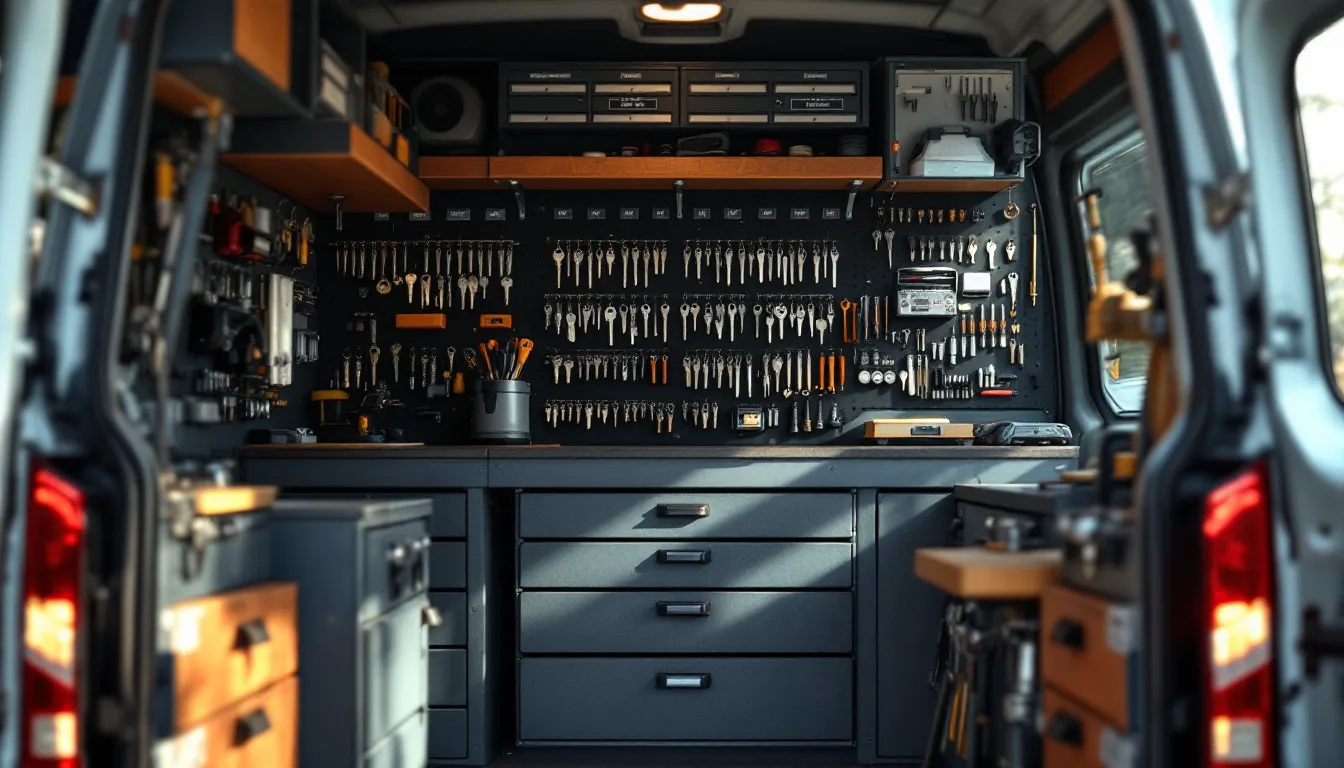
- We decide where the work happens. If the car can be driven, you can come to our storefront at 10740 Wilshire Blvd, Los Angeles, CA 90024 in Westwood. If it cannot move, one of our mobile vans comes to it.
- We identify the key type on the car itself, cut the blade if one is involved, and check the ignition for wear or theft damage.
- Where the car needs it, we program the new key or fob through the OBD port and test every function: door, ignition or push-button start, remote buttons and the emergency blade.
- For 2018-2022 cars, we remind you about Hyundai's free anti-theft software update at hyundaiantitheft.com and explain what it does and does not cover.
Locked out or need a locksmith now?
We answer around the clock, every day of the year.
Call (213) 577-1366What affects the price of a Kona key replacement?
We do not quote numbers on a web page, because the honest answer depends on your car. These are the real factors that move the cost up or down:
- Key type. A plain bladed key on a no-immobilizer car is the lighter-cost job. A transponder key costs more, and a smart fob costs more again. Lost-fob replacement costs more than a bladed key.
- Chip family and fob quality. ID47 (Hitag 3) and 4A (Hitag AES) hardware are not the same, and low-quality cloned or aftermarket chips can fail intermittently. A fob that works reliably is worth more than one that saves money on day one.
- Spare versus all keys lost. Having an original key to work from is usually the more economical route. All-keys-lost needs more steps and professional programming.
- Ignition condition. If the cylinder was damaged in a theft attempt or the wafers are worn, the job may include a lock rebuild or replacement.
- Location and timing. A mobile van visit to your car differs from a trip to our storefront, and a late-night call differs from a daytime one.
What are the common Kona key problems?
Most of the Kona key problems in our data follow the same era lines described above, so you can usually tell what is going on from the symptom.
- Plain metal copy starts the car (2018-2022 base trims): no immobilizer. It works, but it also means the car is easier to steal. See Hyundai's free anti-theft update.
- Damaged ignition or steering column: often left after a theft attempt. These typically need a lock rebuild or replacement, not just a new key.
- Key opens the doors but will not start the car (2023): usually a copy cut without a chip on an immobilizer-equipped car.
- Intermittent starting after a cheap copy: low-quality cloned or aftermarket chips fail on and off, which is more frustrating than a key that never works.
- Worn ignition wafers: typical on high-mileage cars; the key sticks or feels rough.
- 'Key not detected' on the dash: usually a dead fob battery on smart-key trims. The emergency blade still opens the door, and a fresh battery often solves it.
- Worn fob buttons and cracked shells: common on 2024-2026 fobs. The fob can often be rescued without replacing the whole unit.
When should you call us, and when the dealer?
Call us when you have lost your only key, when a copy will not start the car, when the ignition feels damaged, or when you want a spare made before something goes wrong. We have been in business since 1987, and we run a storefront plus mobile vans as one company, with no dispatch middlemen between you and the person who does the work. David, the owner and lead technician, oversees the work. That means the person who answers the phone is accountable for what happens at your car.
Go to the dealer when your VIN shows a case we cannot handle, or when you are dealing with a recall or software issue that only Hyundai can address. The anti-theft software update at hyundaiantitheft.com is one of those. We will not pretend otherwise. For everything else, the Kona's keys can be handled by us.
We serve 140 cities across Los Angeles and Ventura counties, so wherever your Kona is parked, we can come to it. For more about the brand, see our Hyundai key page or the wider car keys overview. To describe your situation in writing, use our contact page, or start from the Wilshire Lock & Key home page. For the fastest answer, call (213) 577-1366 any hour.
Frequently asked questions
Does my 2019 Hyundai Kona need a chip key?
Not on base turn-key trims. 2018-2022 base SE and SEL cars have no factory immobilizer, so a plain metal copy starts the car. Smart-key trims in those years use ID47 (Hitag 3) fobs programmed through OBD. We confirm your trim by VIN.
Can you make a new Kona key if I have lost every key?
For 2018 through 2025, all-keys-lost is possible. For 2026 the data is unverified, so we confirm by VIN. On the newest 4A fobs, aftermarket all-keys-lost coverage is maturing, so we confirm each job before starting.
Can a hardware store copy my Kona key?
A hardware store can cut a blade, but not program a chip. On a base 2018-2022 turn-key car with no immobilizer, that may be enough. On an immobilizer-equipped car, such as a 2023, a copy without a chip may open the doors but will not start the car.
My Kona says 'key not detected.' Do I need a new fob?
Often not. On smart-key trims, this message usually means a dead fob battery. The emergency blade in the fob still opens the door. If a new battery does not help, the fob itself may need attention, and we can look at it.
Is my Kona one of the cars involved in the 'Kia Boys' thefts?
The 2018-2022 Kona is on Hyundai's official anti-theft list, and base turn-key cars in those years have no immobilizer. For 2022, cars built before November 1, 2021 have none; later builds do. Hyundai offers a free software update at hyundaiantitheft.com.
What about a 2026 Kona key?
Our 2026 data is early and unverified. The hardware is expected to carry over from 2024-2025, with 4A (Hitag AES) smart fobs and OBD programming, but we confirm the exact setup by VIN before promising anything.
Do I have to go to the Hyundai dealer for a Kona key?
Nothing in our verified data marks any Kona year as dealer-only, and the programmed keys use the OBD port. If your VIN turns out to be a case we cannot handle, we tell you before work starts and point you to the dealer.
How much does a Kona key replacement cost?
It depends on the key type, chip family, whether you have an original key, the condition of the ignition and where the work happens. A bladed key is the lighter-cost job, and a lost smart fob costs more. Call (213) 577-1366 with your VIN.
What should I have ready when I call?
Have the VIN, the model year and trim, whether the car starts with a key or a push button, and how many working keys you have. We will also ask for proof that the car is yours before we cut or program anything.
We cover all these cities
- Acton
- Agoura Hills
- Agua Dulce
- Alhambra
- Altadena
- Arcadia
- Arleta
- Artesia
- Athens
- Azusa
- Baldwin Park
- Bell
- Bell Gardens
- Bellflower
- Beverly Hills
- Bradbury
- Burbank
- Calabasas
- Camarillo
- Canoga Park
- Carson
- Cerritos
- Chatsworth
- City of Industry
- Claremont
- Commerce
- Compton
- Covina
- Cudahy
- Culver City
- Diamond Bar
- Downey
- Duarte
- East Los Angeles
- El Monte
- El Segundo
- Encino
- Fillmore
- Gardena
- Glendale
- Glendora
- Granada Hills
- Hacienda Heights
- Hawaiian Gardens
- Hawthorne
- Hermosa Beach
- Hidden Hills
- Huntington Park
- Inglewood
- Irwindale
- La Cañada Flintridge
- La Habra Heights
- La Mirada
- La Puente
- La Verne
- Ladera Heights
- Lake Balboa
- Lake View Terrace
- Lakewood
- Lancaster
- Lawndale
- Lomita
- Long Beach
- Los Angeles
- Lynwood
- Malibu
- Manhattan Beach
- Marina del Rey
- Maywood
- Mission Hills
- Monrovia
- Montebello
- Monterey Park
- Moorpark
- North Hills
- North Hollywood
- Northridge
- Norwalk
- Ojai
- Oxnard
- Pacoima
- Palmdale
- Palos Verdes Estates
- Panorama City
- Paramount
- Pasadena
- Pico Rivera
- Pomona
- Port Hueneme
- Porter Ranch
- Rancho Palos Verdes
- Redondo Beach
- Reseda
- Rolling Hills
- Rolling Hills Estates
- Rosemead
- Rowland Heights
- San Dimas
- San Fernando
- San Gabriel
- San Marino
- Santa Clarita
- Santa Fe Springs
- Santa Monica
- Santa Paula
- Sherman Oaks
- Sierra Madre
- Signal Hill
- Simi Valley
- South El Monte
- South Gate
- South Pasadena
- Stevenson Ranch
- Studio City
- Sun Valley
- Sylmar
- Tarzana
- Temple City
- Thousand Oaks
- Toluca Lake
- Topanga
- Torrance
- Valencia
- Valley Glen
- Valley Village
- Van Nuys
- Ventura
- Vernon
- View Park–Windsor Hills
- Walnut
- West Carson
- West Covina
- West Hills
- West Hollywood
- Westlake Village
- Westmont
- Whittier
- Willowbrook
- Winnetka
- Woodland Hills
Reviewed by David, Owner & Lead Technician, Wilshire Lock & Key — in the locksmith trade since 1987.
Last updated 2026-10-11.